Beware of This Junior Tennis Parent Trap After Your Child Loses a Match
Your child just lost a tennis match.
They're angry. They're sad. You can see the pain on their face, and it breaks your heart. You want to help, but you're not exactly sure what to say.
You give them some space. You stay quiet for a few minutes. Then, eventually, they start asking you questions about the match.
So you answer.
But every response seems to make things worse. They snap back at you. You try to explain yourself, and they get even angrier.
You're confused because they're the ones asking you questions. If they want your thoughts, why don't they want to hear what you have to say?
This is the trap.
Your Child May Not Actually Want Your Advice
The trap isn't that your child is intentionally trying to get you into an argument. The trap is taking their questions literally instead of interpreting the situation, and then answering every question with advice about the tennis.
When a junior tennis player is extremely emotional after a loss, they may not actually be looking for an answer.
They may just want to vent.
They want someone to listen to how angry, disappointed, frustrated or hurt they are. They may not know how to process all of those emotions yet.
They're kids.
For many young players, difficult losses are still relatively new experiences. They may start asking you questions because they don't know what else to do with everything they're feeling.
That doesn't necessarily actually want your analysis. They know you’re not their coach.
Sometimes they just need a shoulder to cry on. A hug. Someone to listen.
And that's it.
Don't Turn an Emotional Moment Into a Tennis Lesson
Even if you know exactly what your child needs to work on, the moment immediately after an emotional loss may not be the right time to tell them, nor might you be the best person to communicate it in the first place (hint: the coach).
Maybe their serve needs work. Maybe their backhand broke down under pressure. Maybe they stopped moving their feet or abandoned the game plan.
Those things might all be worth discussing (by the coach).
But your child may not be in a place where they can hear it yet.
And when they're emotional, even good advice can sound like criticism.
There will be a time to talk about the tennis (with their coach).
First, help them deal with the loss.
Listen Without Trying to Fix It
If your child starts talking about the match and you realize they're really just trying to get their emotions out, let them.
You don't have to explain why they lost. You don't have to convince them that everything is going to be okay. You don't have to fix it.
Listen.
And when they start asking technical questions, there is a simple response that can take a lot of pressure off both of you:
"Those are great questions for your coach."
You're not their tennis coach. You're their parent. You don't have to diagnose every problem you see on the court or have the perfect answer to every tennis question.
You can say, "I'm happy to talk with you about how you're feeling, but those are probably questions for your coach. I don't want to overstep that boundary."
That can prevent the conversation from becoming an argument about whether your tennis answer is right or wrong.
You can also set boundaries around how your child handles their emotions.Let them be angry. Let them be disappointed. Let them cry.
But they don't get to insult themselves or take their frustration out on you.
You can say, "I know you're upset, but you can't yell at me. We can talk about this when you're ready."
Know When It's Time to Stop Talking About the Match
One of the biggest signs that it's time to stop talking is when the conversation becomes an argument.
Their voice gets louder. They become defensive. Every suggestion leads to another angry response.
Stop.
You can simply say, "We're not going to talk about the match right now. We'll talk about it later."
Maybe that's later that afternoon. Maybe it's the next morning. Every child is different.
The important thing is recognizing when your child is too emotional to have a productive conversation about what happened.
Don't let their frustration pull you into a back and forth.
Sometimes Your Job Is Simply to Help Them Through It
As a parent, it's natural to want to help. You've invested time, money and energy into your child's tennis. You've watched them practice and compete, and when they lose, you want to help them figure out what went wrong.
That's a good instinct.
But sometimes helping doesn't mean fixing the problem.
Sometimes your job isn't to help them figure out what went wrong. Sometimes your job is simply to help them get through it.
The technical conversation can come later (with their coach), when your child is in a better place to actually listen and learn.
The post match conversation doesn't always need to be about becoming a better tennis player. Sometimes it needs to be about becoming better at handling disappointment.
That's a skill your child will need long after their junior tennis career is over.
So the next time your child loses a match and starts asking you questions while they're clearly emotional, remember this:
You don't always need to have the answer. Sometimes being there is enough.
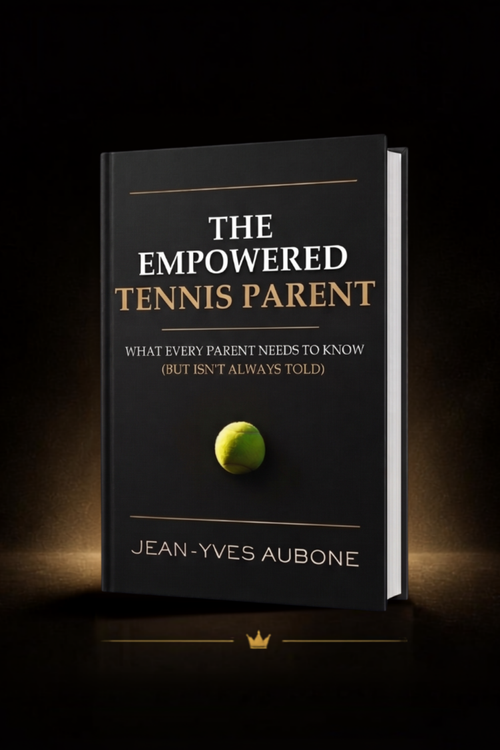
The Empowered Tennis Parent
What every parent needs to know (but isn't always told) — the playbook for navigating elite junior tennis with clarity and authority.
View on Amazon → Competing this season? Explore the Match Journal →